1
Read first
Let the story have room to work. Follow the characters, the problem and the feeling of the scene before explaining the lesson.

Parent and Teacher Guide
Stories can turn an abstract idea like kindness into something children can see. A character notices, chooses, helps, repairs a mistake or includes someone. Then the conversation can stay simple, calm and connected to the story instead of becoming a lecture.
The short answer
Read the story without turning every page into a lesson. Afterwards, choose one moment when a character noticed someone, offered help, included another person, repaired a mistake or responded with care. Ask one open question about what changed. Then connect it to one small real-life example your child can recognise.
A four step routine
Children do not need a long worksheet after every story. A small repeatable routine can make kindness easier to notice without taking the fun out of reading.
Let the story have room to work. Follow the characters, the problem and the feeling of the scene before explaining the lesson.
Pick one clear choice. It might be helping, listening, including someone, staying calm or choosing not to shame a mistake.
Try “What changed after that?” or “How do you think that felt?” Short questions leave more room for a child’s own answer.
Connect the story to one ordinary moment. Kindness might be making space, checking on someone, sharing encouragement or helping to repair a problem.
Start with a free story
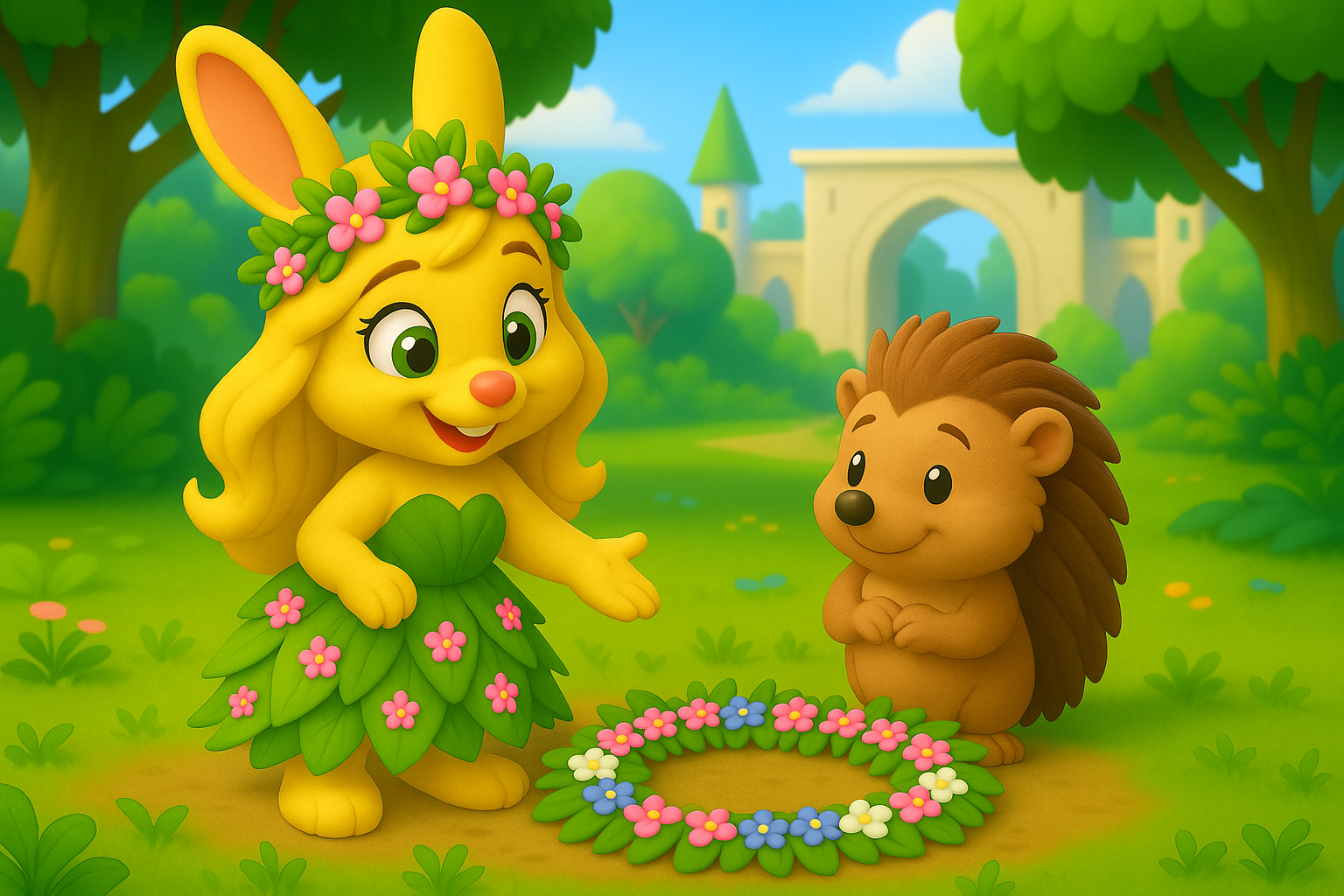
When a flower bed is ruined, Leafy responds without blame, stays beside the worried hedgehog and invites others to help repair the garden. It gives children a clear example of kindness that is about support and repair rather than embarrassment or punishment.
Conversation starters
Choose one or two. The goal is a conversation, not a quiz.
Beyond being nice
Seeing when someone is left out, worried, confused or carrying a problem alone.
Making room for another person without forcing friendship or pretending everyone has to enjoy the same things.
Offering useful support instead of taking over. Sometimes the kind question is simply “Would you like help?”
Giving another person time to speak and taking their feelings seriously, even when the problem looks small from the outside.
Moving away from blame and towards what can be fixed, changed or made better together.
Being respectful while still saying no, asking for space or getting help when something does not feel right.
An important distinction
A child can be caring and still keep a boundary. They can decline to share something that is special, ask another child to stop, choose not to hug, request space or tell an adult when they need help. Teaching kindness works best when children learn both consideration for others and respect for their own needs.
Carry the story into play
A short activity can keep the idea going after storytime without turning the moment into a formal lesson.
Use a simple trait activity to notice kind choices and turn them into easy family or classroom conversation starters.
Open the Kindness Jar →Continue with a free word search linked to the Kindness trait and Leafy.
Play the Word Search →Slow the pace with a free interactive colouring activity featuring Leafy and the Kindness trait.
Start Colouring →In this free TinyTales Nightfall episode, Max learns that helping can mean pausing, listening and staying close instead of rushing ahead.
Watch the Free Video →Use it your way
Use one bedtime or quiet-time story and one question. There is no need to turn every evening into a character lesson.
Explore Parent Support →Use a story as a shared example before discussing inclusion, mistakes, helpful choices or what kindness can look like in a group.
Explore Teacher Support →Pair one story with a short discussion, drawing activity or kindness jar prompt and let the conversation grow from the child’s response.
Explore Free Activities →Browse the complete Kindness trait collection, including free content and TinyTales Premium previews.
Explore Kindness Stories →Frequently asked questions
Stories give children a character, a choice and a consequence to notice. Instead of only hearing an instruction to be kind, children can see what a caring action changes and talk about what they might do in a similar moment.
Keep the questions simple. Ask what the character noticed, which action helped, how another character may have felt, and what a small kind choice could look like in the child's own day.
Usually not. Let the story work first. A short conversation after the story is often easier than stopping every few lines to explain the message.
No. Children can be kind while keeping a boundary, saying no respectfully, asking for space or getting help from an adult. Kindness should not require a child to ignore their own needs.
The ideas are designed for families and educators supporting children roughly ages 3 to 10. Younger children may need shorter questions, while older children can explore motives, consequences and different points of view.
Explore TinyTales Land stories, characters and activities that show children what kindness can look like through choices they can actually see.